
Sump Pump Maintenance: What Every Northeast Ohio Homeowner Should Know
Your sump pump is the last line of defense against a flooded basement. Here's a complete maintenance guide to keep it running reliably through Ohio's wet seasons.
By AB Drain & Construction
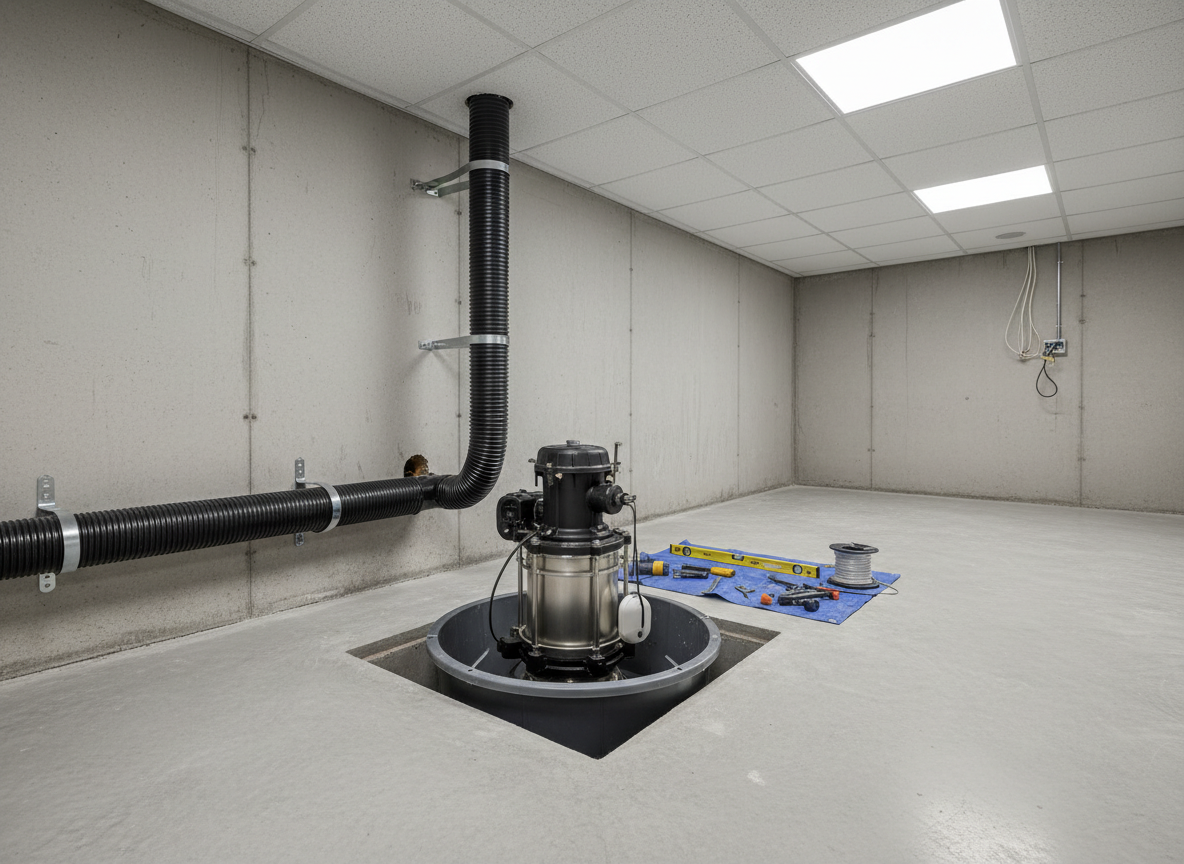
Why Sump Pump Maintenance Matters
A sump pump sits in a pit in your basement, doing nothing for months at a time — then is expected to perform flawlessly during the worst storm of the year. Like any mechanical device that sits idle, it can fail without warning if it isn't maintained.
In Northeast Ohio, where spring snowmelt and heavy rain often coincide, sump pump failure is one of the most common causes of basement flooding. The good news: a few simple checks each year dramatically reduce your risk.
How Often to Inspect
- Quarterly: Visual inspection and quick test
- Annually: Full maintenance check (ideally in early spring before peak season)
- After any major storm: Check operation and clear the pit
Step-by-Step Quarterly Check
1. Test the Float Switch
Pour a bucket of water into the sump pit. The pump should activate automatically when the water rises to the trigger level, pump it down, and shut off. If it doesn't activate, the float switch may be stuck or failed.
2. Check the Discharge Pipe
Trace the discharge pipe from the pump to where it exits your home. Make sure the outlet is clear of ice (critical in winter), debris, and obstructions. A clogged discharge line causes the pump to run continuously and burn out.
3. Inspect the Pit
Remove the pit cover and look inside. Clear out any gravel, dirt, or debris that has accumulated. A clogged pit intake screen will reduce pump efficiency.
4. Listen for Unusual Sounds
A healthy pump runs with a consistent hum. Grinding, rattling, or a motor that runs but doesn't pump water indicates a mechanical problem — usually an impeller issue.
5. Check the Check Valve
The check valve prevents water from flowing back into the pit when the pump stops. If you hear a loud thump after the pump shuts off, the check valve may be failing.
Annual Maintenance Tasks
Clean the pump: Disconnect the pump, remove it from the pit, and rinse it with clean water to remove sediment buildup on the impeller.
Inspect the power cord: Look for cracks, fraying, or corrosion at the plug. Sump pumps in damp environments are vulnerable to electrical issues.
Test backup systems: If you have a battery backup, test it by unplugging the primary pump and verifying the backup activates. Check battery charge level.
Check battery age: Lead-acid batteries should be replaced every 3–5 years. Mark the installation date on the battery.
Signs Your Sump Pump Needs to Be Replaced
- It runs continuously even when there's no rain
- It's 7+ years old (average lifespan is 7–10 years)
- You've had to restart it multiple times
- It makes grinding or rattling sounds
- It activates but water level in the pit doesn't drop
- It's not activating at all
When to Call a Professional
Any time you're unsure whether your system is working correctly, it's worth a call. The cost of a service visit is a fraction of the cost of a flooded basement. We also offer maintenance plans for homeowners who want peace of mind year-round.
AB Drain and Construction services all brands and models of sump pumps throughout Mahoning, Trumbull, and Columbiana Counties.